Why Smart Cars Are Becoming the Center of Innovation
With the rapid development of technology, intelligent vehicles have become a rising star in modern transportation, leading the transformation of future travel. Intelligent vehicles combine various advanced technologies to improve driving safety, reduce environmental pollution, and enhance the driving experience. More and more automakers are making "intelligent+" a key strategic choice, sparking a comprehensive wave of technological upgrades. With the rapid development of mobile internet and artificial intelligence, intelligentization has become a new trend in the automotive industry, with many car companies joining the "intelligent+" movement.
Background of Intelligent Vehicle Development
The development of intelligent vehicles is driven by multiple factors. First, the global car ownership is increasing year by year, and problems such as traffic congestion and frequent accidents are causing many problems for people. Second, breakthroughs in sensor technology, communication technology, and artificial intelligence have provided technical support for the research and development of intelligent vehicles. In addition, government policy support for new energy vehicles and consumer demand for intelligent and comfortable travel have also provided impetus for the development of intelligent vehicles.
Characteristics of Intelligent Vehicles
Intelligent Driving
Intelligent driving technology is the core of automotive intelligence and has become a key research and development direction for many car brands. Intelligent vehicles can autonomously perceive their surroundings, assess road conditions, and make driving decisions, enabling functions such as autonomous driving and intelligent parking. Furthermore, intelligent driving technology includes voice control, adaptive cruise control, lane keeping assist, and obstacle avoidance systems, improving driving safety and comfort.
Intelligent Interaction
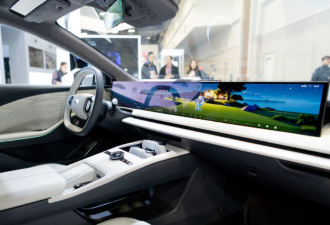
Intelligent interaction is a crucial component of automotive intelligence. It primarily utilizes technologies such as voice interaction, gesture recognition, touchscreens, and HUDs (Head-Up Displays) to create a more natural and convenient interactive experience between the vehicle and passengers. For example, drivers can use voice control to manage navigation, music playback, and air conditioning adjustments. HUD technology can also project driving information onto the windshield, enhancing the driving experience.
Intelligent Connectivity
Intelligent connectivity represents a significant stage in the development of automotive intelligence. Its core is the deep integration of vehicles with technologies such as the internet, cloud computing, and artificial intelligence, achieving seamless connectivity between vehicles, roads, and people. Intelligent connectivity provides vehicles with richer information resources and more efficient data exchange capabilities, while also improving driving safety and efficiency.
Intelligent Electric Vehicles
With the rapid development of new energy vehicles, intelligent electric vehicle technology is gradually becoming an important component of automotive intelligence. Intelligent electric vehicles not only feature low carbon emissions and environmental friendliness, but also utilize artificial intelligence technology to intelligently analyze and manage data such as battery charging status and charging station information, improving the efficiency and safety of electric vehicle charging.
Challenges Faced
Despite the broad prospects for intelligent vehicles, many challenges remain. First, technological hurdles urgently need to be overcome. The development of intelligent vehicles involves cutting-edge technologies in multiple fields; effectively integrating these technologies to achieve stable and reliable autonomous driving functions is crucial. Second, regulatory and ethical issues are also a significant challenge. As the level of autonomous driving increases, the definition of responsibility, the formulation of laws and regulations, and ethical considerations become particularly important. Furthermore, high R&D and production costs are also a factor restricting the large-scale popularization of intelligent vehicles. To reduce costs, many companies are seeking cooperation with governments, research institutions, and other parties to jointly promote the development of intelligent vehicle technology.
Conclusion
Intelligent driving is the culmination of technological progress, but its birthplace is humanity's desire for easier and safer travel. Future competition should return to the original intention of solving pain points—making cars more like people, or even safer than people.